

Future Moon and Mars Missions Are Driving a New Era of Space Food Innovation
Share
As global space programs prepare for long-duration missions to the Moon and Mars, researchers are developing advanced food systems capable of supporting human health in some of the most challenging environments ever encountered.
Unlike short-term missions in low Earth orbit, future lunar and Martian missions may require astronauts to remain away from Earth for months or even years. This creates significant challenges related to nutrition, food preservation, storage stability, psychological well-being, and sustainable food production.
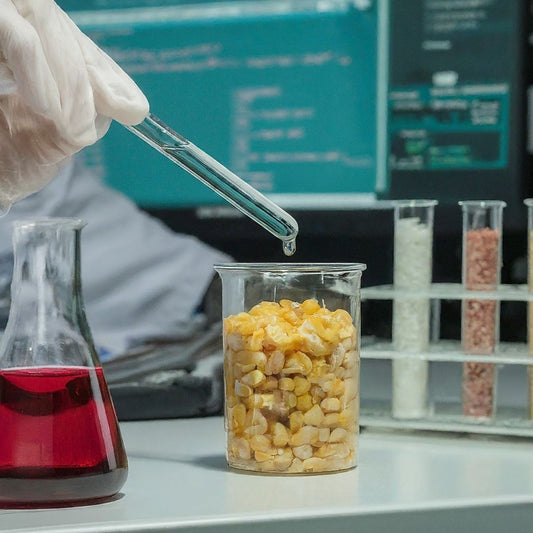
One of the most promising areas of research is the development of personalized nutrition systems. Scientists are investigating technologies that allow astronauts to prepare nutrient-rich beverages and foods tailored to individual nutritional requirements. Such systems could help address nutrient deficiencies while providing greater dietary flexibility during extended missions.
Researchers are also focusing on controlled-environment food production. Advanced hydroponic and aeroponic cultivation systems are being designed to grow fresh vegetables and herbs in confined habitats using minimal water and resources. These systems not only provide fresh food but also contribute to air purification and psychological well-being.
Alternative protein production is another key area receiving attention. Algae, microbial proteins, and fermentation-derived ingredients are being explored as sustainable protein sources for future space habitats. These technologies offer the potential to produce high-quality nutrition while reducing dependence on Earth-based supply missions.
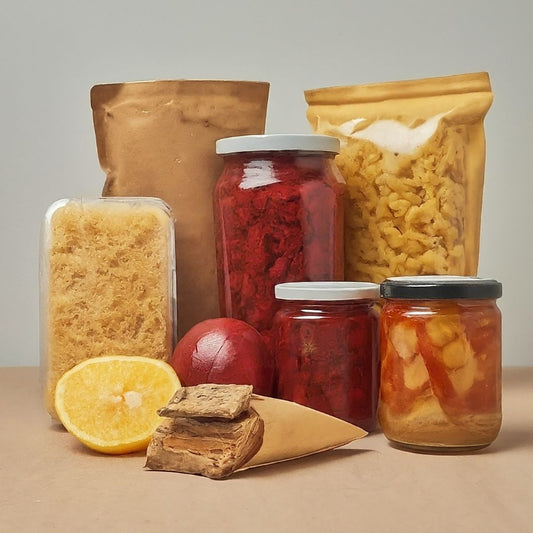
Food preservation remains a critical challenge. Scientists are developing innovative packaging systems and processing technologies capable of maintaining food quality, safety, and nutritional value over extended storage periods. These advances are expected to benefit both space missions and food security applications on Earth.
Interestingly, many innovations developed for space food eventually find applications in terrestrial food systems. Shelf-stable foods, functional beverages, precision nutrition, sustainable agriculture technologies, and advanced food preservation methods often originate from research conducted for space exploration.
As humanity moves toward establishing a long-term presence beyond Earth, food technology is becoming an essential component of mission success. The next generation of space food systems will require expertise in nutrition, food science, biotechnology, engineering, and sustainability, demonstrating how food innovation is playing a crucial role in shaping the future of human space exploration.