


🧪 FSSAI Revises Contaminant & Residue Regulations
Share
The Food Safety and Standards Authority of India (FSSAI) has notified amendments to the Food Safety and Standards (Contaminants, Toxins and Residues) Regulations, strengthening food safety requirements across multiple food categories.
What's New?
The revised regulations introduce updated contaminant and residue limits for several products, including:
- 🌾 Pulse flours
- 🐟 Seafood and fish products
- 🐠 Fish oils
- 🌻 Oilseeds and edible oil raw materials
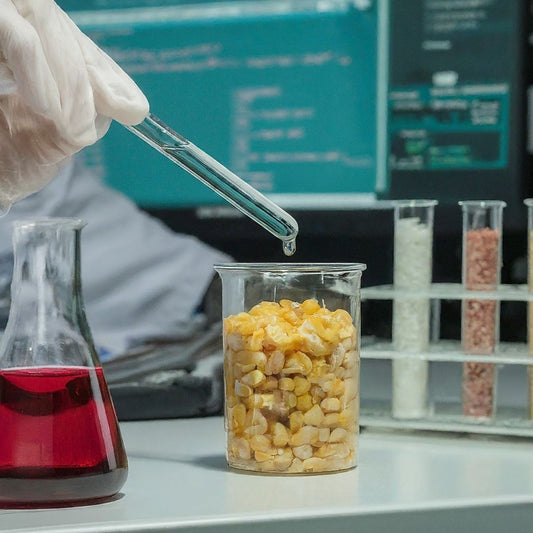
These revisions are based on updated scientific risk assessments and aim to strengthen food safety monitoring across the food supply chain.
📅 Effective Date
The amendment was notified on 25 May 2026 and the revised provisions will come into force on 1 January 2027, giving food businesses time to align their sourcing, testing, and compliance practices.
Why Does It Matter?
The updated regulations aim to:
- ✅ Strengthen consumer health protection.
- ✅ Improve monitoring of contaminants and chemical residues.
- ✅ Enhance quality assurance across the food supply chain.
- ✅ Encourage manufacturers to adopt better sourcing, processing, and quality control practices.
- ✅ Support compliance with national and international food safety standards.
Impact on the Food Industry
Food manufacturers, processors, exporters, importers, and testing laboratories should review the revised limits and update their quality assurance programs before the regulations become effective on 1 January 2027. Regular testing, supplier verification, and robust documentation will be essential for compliance.
Key Takeaway
With the revised regulations taking effect from 1 January 2027, food businesses have an opportunity to strengthen their food safety systems ahead of the compliance deadline. Staying updated with FSSAI notifications is essential to ensure regulatory compliance, product quality, and consumer trust.