


FSSAI Orders Strict Action Against Harmful Chemicals Used for Ripening Fruits
Share
In a significant move to protect public health, the Food Safety and Standards Authority of India (FSSAI) has directed all states and Union Territories to intensify enforcement against the illegal use of artificial fruit ripening agents.
❌ Calcium Carbide Strictly Prohibited
FSSAI has once again reiterated that calcium carbide (“masala”) is completely banned for ripening fruits such as mangoes, bananas, and papayas. The chemical releases acetylene gas, which may contain harmful impurities like arsenic and phosphorus—posing serious health risks including:
Vomiting and dizziness
Difficulty in swallowing
Skin irritation and ulcers
⚠️ Misuse of Ethephon Under Watch
Authorities have also flagged the misuse of ethephon solutions, where fruits are dipped directly for ripening. As per FSSAI guidelines, direct contact of fruits with liquid or powder ethylene sources is not permitted. Only controlled ethylene gas-based ripening is considered safe when done properly.
🔍 Nationwide Surveillance & Inspections
FSSAI has instructed:
Food Safety
Commissioners
Regional Directors
Central Licensing Authorities
to step up inspections in fruit markets, mandis, storage facilities, and distribution chains. Special enforcement drives will target areas where illegal ripening practices are suspected.
⚖️ Strict Legal Action
If calcium carbide or other banned agents are found:
It can be treated as evidence for prosecution
Action will be taken under relevant provisions of the Food Safety & Standards Act
Violators (FBOs) may face penalties, license cancellation, or legal proceedings
🧪 Detection Measures
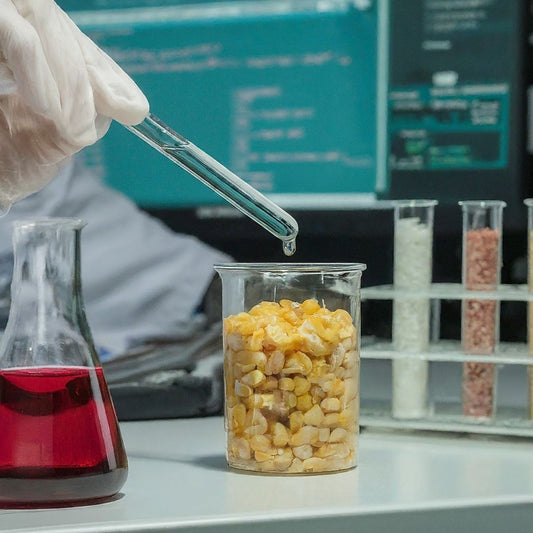
Enforcement officials may also use strip paper tests to detect acetylene gas in storage or ripening chambers—ensuring quick identification of illegal practices.