

Air-Based Protein Production
Share
Making Food from Air: A New Frontier in Sustainable Nutrition
Air-based protein production is an emerging food technology where microbes convert gases like carbon dioxide (CO₂), hydrogen, and nitrogen into edible protein. Instead of relying on crops or livestock, this method uses gas fermentation and renewable energy to produce nutrient-dense protein with a minimal environmental footprint.
🔬 How It Works (Simple Process)
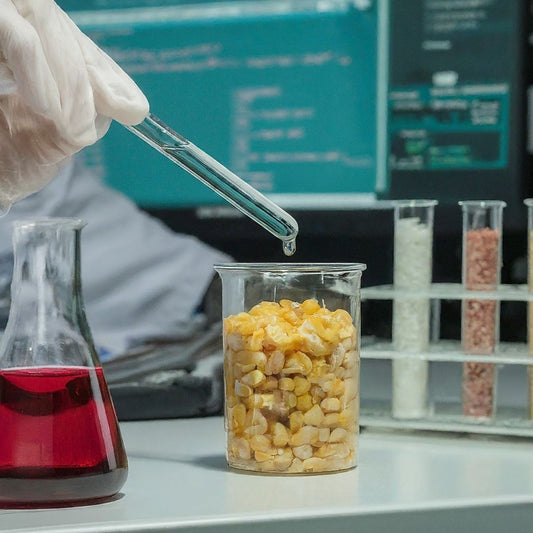
Gas Capture – CO₂, hydrogen, and nitrogen are supplied to a bioreactor.
Microbial Fermentation – Specialized microbes feed on these gases.
Biomass Growth – The microbes multiply rapidly, forming protein-rich biomass.
Harvest & Drying – The biomass is processed into a powder or ingredient.
This protein powder can then be used in foods, beverages, and animal feed.
🌍 Real-World Innovation
Solar Foods – Produces Solein, a yellow protein powder made from air, water, and renewable electricity.
Air Protein – Develops microbial protein from CO₂ for meat alternatives.
Deep Branch – Converts industrial CO₂ emissions into microbial protein for animal feed.
These companies are demonstrating how carbon emissions can become food ingredients.
🌱 Key Advantages
Ultra-Low Land Use
Protein can be produced without farmland.
Minimal Water Consumption
Uses far less water than traditional agriculture.
Climate Friendly
Can convert CO₂ emissions into useful nutrition.
Year-Round Production
Not dependent on seasons or weather.
⚠️ Challenges
High Technology Cost
Bioreactors and gas fermentation systems require major investment.
Regulatory Approval
Novel food approval is needed before market entry.
Consumer Acceptance
People may initially hesitate to eat “protein made from air”.
🍽 Potential Applications
High-protein powders
Plant-based meat alternatives
Functional foods & nutrition bars
Space food for astronauts
Sustainable animal & aquaculture feed
🚀 Why This Matters
As global demand for protein increases, traditional agriculture alone may not be enough. Air-based protein could help produce nutritious food with a tiny environmental footprint, supporting the future of sustainable food systems.