

♻️ Upcycled Protein from Waste Streams
Share
Turning Food Loss into Functional Nutrition
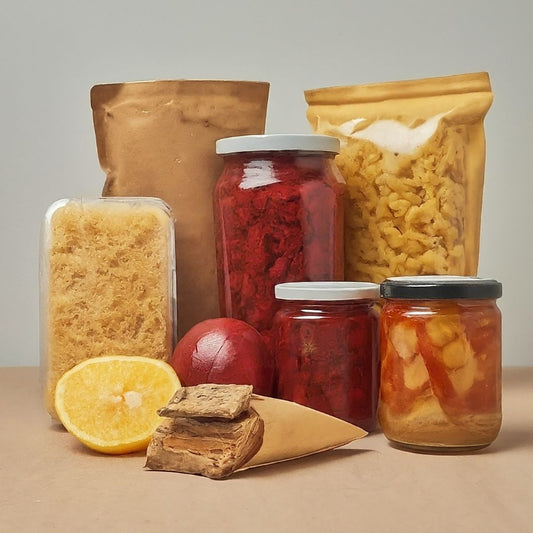
With nearly one-third of global food produced going to waste, the food industry is now looking at waste streams as resource streams. Upcycled protein is emerging as a powerful solution — converting by-products into high-value, functional ingredients.
This is not just sustainability. It’s circular bioeconomy in action.
🔬 What is Upcycled Protein?
Upcycled protein is derived from:
Brewer’s spent grain
Oilseed cakes (soy, sunflower, groundnut)
Fruit & vegetable pomace
Dairy whey
Pulse processing residues
Fish & meat processing side streams
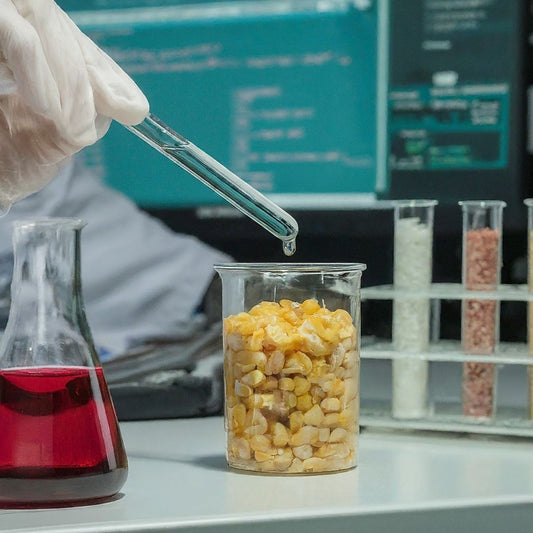
Through fermentation, enzymatic hydrolysis, drying, or protein extraction, these materials are transformed into safe, nutrient-dense protein ingredients.
🌍 Real-Time Industry Examples
ReGrained – Converts brewer’s spent grain into protein-rich flour and snack ingredients.
Renewal Mill – Upcycles okara (soy pulp) into high-protein baking flour.
Arla Foods – Valorizes whey streams into high-value whey protein isolates.
Calysta – Produces single-cell protein using methane-based fermentation.
Upcycled Food Association – Sets certification standards for upcycled food ingredients.
India is also seeing movement in rice bran protein, pulse hull recovery, and brewery waste valorization.
✅ Pros
🌱 Sustainability
Reduces landfill burden
Cuts greenhouse gas emissions
Improves resource efficiency
💰 Economic Value
Converts low-value waste into premium ingredients
Creates new revenue streams for processors
Strengthens circular supply chains
🥗 Nutritional Potential
High protein content
Rich in fiber, bioactives, and micronutrients
Supports plant-based & functional food innovation
📈 Market Appeal
Strong consumer interest in climate-conscious foods
ESG-friendly positioning for brands
⚠️ Cons & Challenges
🧪 Variability in Raw Material
Nutritional profile varies by source and season
Requires strong standardization protocols
🦠 Safety & Quality Concerns
Risk of contamination if waste streams are mishandled
Requires strict FSSAI / global regulatory compliance
🏭 Processing Costs
Extraction, drying, purification can be capital-intensive
Technology scalability still evolving
🧠 Consumer Perception
“Waste-derived” labeling needs smart communication
Education is key to market acceptance
🍽 Applications
Protein-enriched bakery products
Plant-based meat analogues
Functional beverages
High-protein snacks
Sports nutrition powders
Animal & aquaculture feed
In India, this could strongly integrate with:
Millet processing by-products
Pulse milling residues
Brewery waste utilization
Rice bran protein extraction