

🌿 Microbiome-Tailored Foods – The Future of Personalized Nutrition 🌿
Share
🧬 Understanding the Microbiome Revolution
Inside our digestive tract lives a bustling community of trillions of microorganisms — bacteria, fungi, and even viruses — collectively called the gut microbiome. These microbes influence not just digestion, but also metabolism, immune function, and even mental health through the gut–brain axis.
For decades, nutrition was based on general guidelines — but people respond differently to the same foods. The emerging field of microbiome-tailored nutrition aims to change that by creating foods designed specifically for your unique gut ecosystem.
🥗 What Are Microbiome-Tailored Foods?
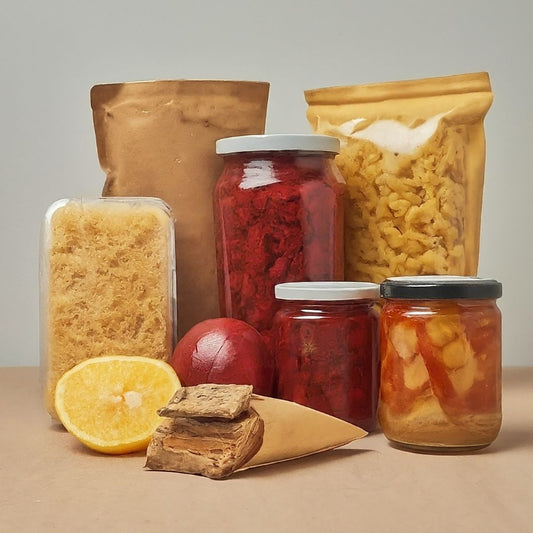
Microbiome-tailored foods are functional foods or diets developed based on an individual’s gut microbial composition.
Using gut testing, AI data analysis, and precision formulation, scientists can determine which foods or bioactives help nurture “good bacteria” and suppress harmful ones.
These foods often include:
Prebiotics – fibers that feed beneficial bacteria (e.g., inulin, resistant starch).
Probiotics – live beneficial microorganisms (e.g., Lactobacillus, Bifidobacterium).
Postbiotics – bioactive compounds produced by fermentation (e.g., short-chain fatty acids).
Custom nutrient blends – based on personal microbiome and genetic profiles.
🧫 Real-World Examples of Microbiome-Tailored Food Innovations
🔹 1. ZOE (UK) – Data-Driven Personalized Nutrition
ZOE combines microbiome testing, blood sugar, and fat response analysis to give tailored meal advice.
Their app helps users understand how their gut microbes respond to different foods and suggests meal plans that improve digestion and energy.
🔹 2. DayTwo (Israel) – Predictive Food Scoring
DayTwo uses gut microbiome sequencing and AI to predict individual blood sugar responses to meals.
It then provides personalized meal scores, helping users prevent glucose spikes and improve metabolic health — particularly useful for people with diabetes or prediabetes.
🔹 3. Seed Health (US) – Next-Gen Probiotics & Postbiotics
Seed Health develops precision probiotics that go beyond digestion — targeting skin health, inflammation, and overall immunity.
Their formulations are based on clinically studied bacterial strains that are stable, effective, and supported by microbiome research.
🔹 4. Nouri (US) – Smart Synbiotic Beverages
Nouri produces beverages that combine prebiotics and probiotics to enhance gut balance. They’re marketed as everyday functional drinks for improving gut comfort and nutrient absorption.
⚙️ How It Works
1. Microbiome Testing:
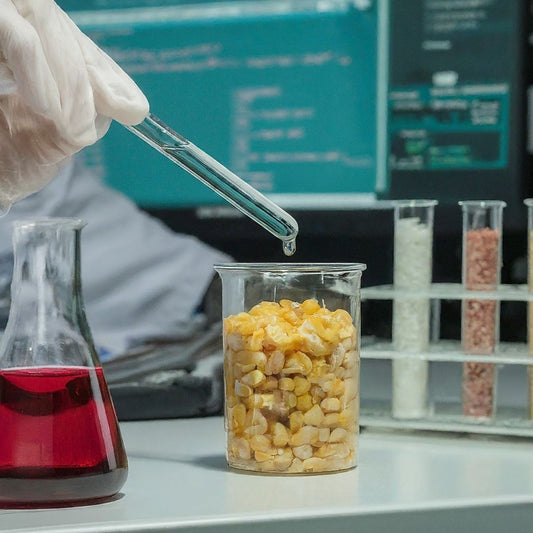
Users send a stool sample to a lab for DNA sequencing of gut bacteria.
2. AI Analysis:
AI models interpret the microbial diversity, abundance, and metabolic pathways.
3. Personalized Recommendations:
Based on the data, tailored diets, supplements, or food formulations are created to optimize gut balance and reduce health risks.
4. Continuous Monitoring:
Apps and wearables track responses over time, refining the food plan further.
🌿 Benefits (Pros)
✅ Personalized Nutrition:
Moves beyond calorie counting — focuses on what your body actually needs.
✅ Better Digestive Health:
Supports beneficial microbes, reducing bloating, inflammation, and discomfort.
✅ Improved Metabolic Control:
Helps regulate blood sugar, cholesterol, and weight more effectively.
✅ Mental & Immune Health:
Strengthens the gut–brain axis, improving mood and immunity naturally.
✅ Sustainable Health Strategy:
Focuses on prevention and balance rather than quick dietary fixes.
⚠️ Challenges (Cons)
❌ High Cost:
Microbiome testing and customized products can be expensive.
❌ Scientific Complexity:
The gut microbiome is still not fully understood — responses can vary widely.
❌ Limited Accessibility:
Personalized microbiome food services are mostly available in developed countries.
❌ Data Privacy Concerns:
Genetic and microbiome data storage raises security and ethical questions.
❌ Regulatory Uncertainty:
Many microbiome products lack consistent regulation or clinical validation.
🚀 Future Outlook
The future of microbiome-tailored foods is deeply intertwined with AI, big data, and nutrigenomics.
Researchers envision a world where:
Smart fridges suggest microbiome-friendly meals.
Functional beverages adjust their nutrient content based on your gut data.
Hospitals prescribe foods — not just medicines — for managing chronic diseases.
Startups and major food companies are investing heavily in microbiome analytics and fermentation-based functional foods, signaling that personalized gut nutrition may soon become a mainstream part of daily life.
🌎 Conclusion
Microbiome-tailored foods mark a paradigm shift from “feeding humans” to “feeding microbes that sustain humans.”
By understanding and nurturing our inner ecosystem, we can unlock better health, stronger immunity, and more sustainable diets — all customized to our biology.