

How Food Science Is Supporting the Future of Human Space Exploration
Share
As space agencies around the world prepare for long-duration missions to the Moon, Mars, and beyond, food is becoming one of the most important areas of scientific research. Unlike short-term missions, future space exploration will require astronauts to live and work in space for months or even years, making nutrition, food safety, and sustainability critical challenges.
Traditional packaged space foods have supported astronauts for decades, but future missions demand more advanced solutions. Scientists are now developing food systems that can provide balanced nutrition, maintain quality over extended periods, and minimize dependence on frequent resupply missions from Earth.
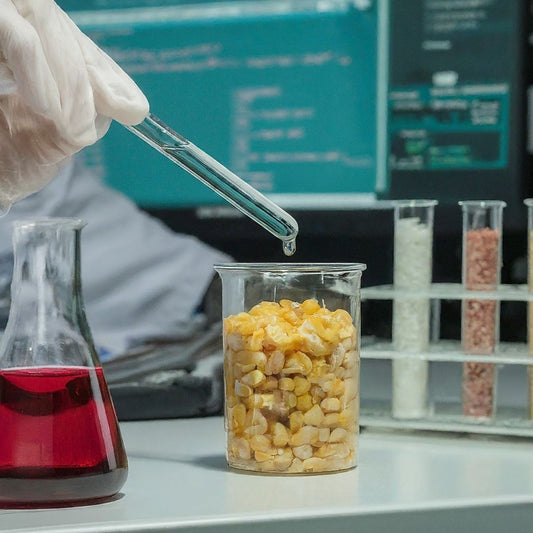
One major area of research is the development of nutrient-dense foods and beverages. Functional ingredients such as omega-3 fatty acids, vitamins, antioxidants, and probiotics are being evaluated to support physical and mental health during long missions. Researchers are also studying how nutrients degrade over time in space environments, helping design formulations that remain effective throughout the mission duration.
Another exciting focus is space agriculture. Controlled-environment systems are being tested to grow vegetables, herbs, and other crops in confined spaces with limited water and resources. These systems use advanced technologies such as hydroponics and LED lighting to produce fresh food while recycling water and nutrients efficiently.
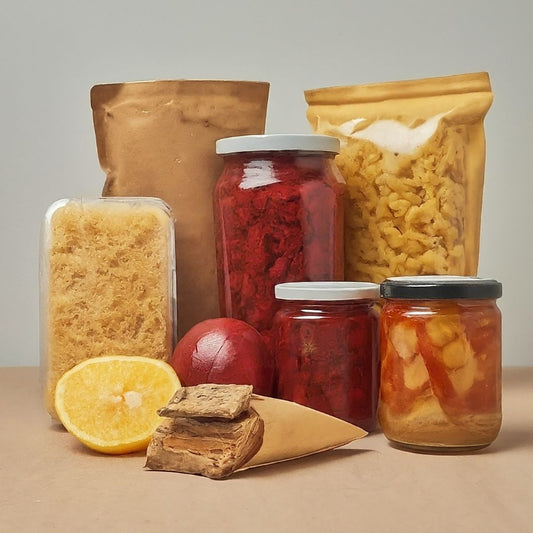
Food preservation technologies are also evolving. Freeze-drying, advanced dehydration methods, and innovative packaging materials are being optimized to extend shelf life while preserving nutritional value and sensory quality. These technologies are valuable not only for space missions but also for improving food security in remote and resource-limited regions on Earth.
Researchers are further exploring alternative protein sources, including algae, microbial proteins, and precision fermentation-derived ingredients. These sustainable protein systems could help provide essential nutrients during long-term missions while requiring fewer resources than conventional food production methods.
The knowledge gained from space food research has applications far beyond space exploration. Advances in functional foods, shelf-stable products, sustainable agriculture, food preservation, and personalized nutrition can contribute to solving challenges related to global food security and climate change.
Space food is no longer limited to tubes and dehydrated meals. It has become a multidisciplinary field combining food science, nutrition, biotechnology, agriculture, engineering, and sustainability. As humanity moves toward longer and more ambitious space missions, food technology will play a crucial role in supporting life beyond Earth.
The future of space exploration will depend not only on rockets and spacecraft but also on the ability to provide safe, nutritious, and sustainable food systems for humans living in extreme environments.